The Best and Worst of This Year’s Edible Garden
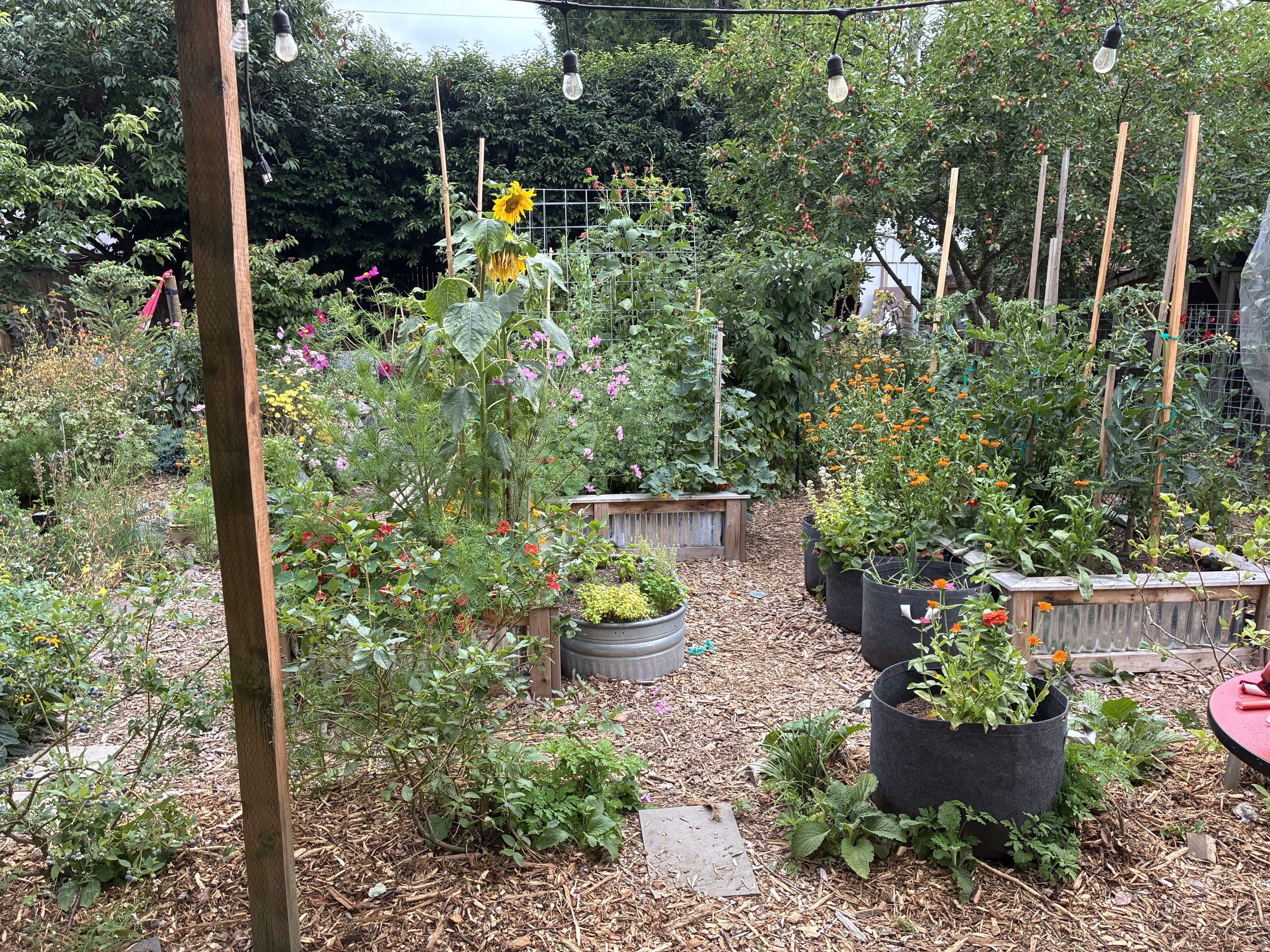
Vegetable Garden, July
There’s an old Guy Clark song in which the late outlaw troubadour declares that there are only two things that money can’t buy: true love, and homegrown tomatoes. I disagree—you can have homegrown tomatoes for nothing but the price of a few seeds, some good soil, high quality compost, lime, fish fertilizer, grow lights, raised beds, tomato trellises, and a high water bill. Not to mention the cost of an irrigation system or paying someone to water your garden if you, god forbid, want to take a vacation at any point over the summer. So, assuming the weather cooperates, you can absolutely buy homegrown tomatoes. And hey, giving someone one of your homegrown tomatoes might even buy you true love.
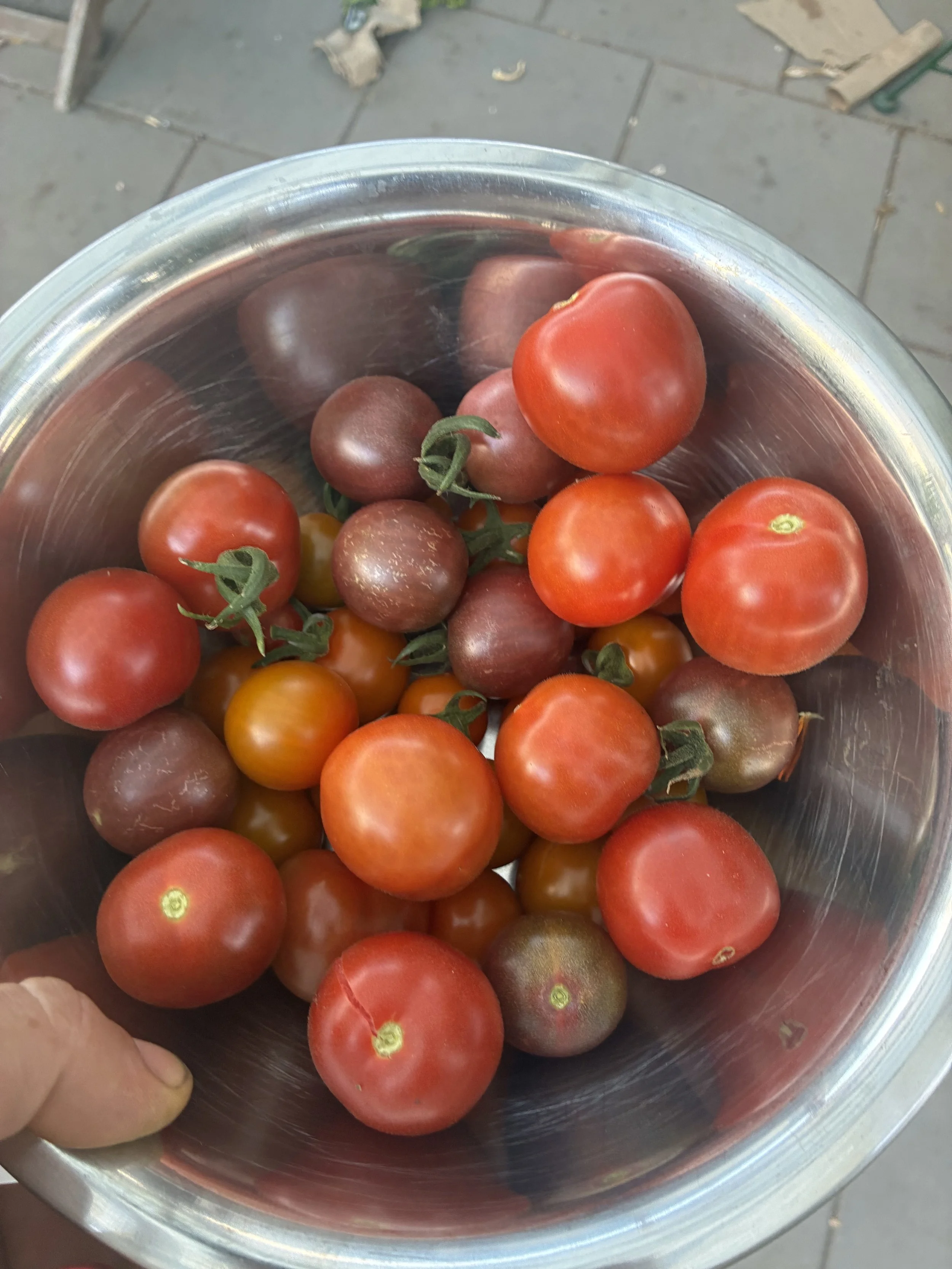
Homegrown Tomatoes, Priceless
Growing your own food is the most rewarding things you can do in your yard, unless you happen to find Curly’s gold buried under your back hedge. You can make your Instagram followers jealous with photos of your bountiful produce. You can upstage your sister-in-law at the family potluck with your “truly homemade” green bean casserole. And you can sleep a little easier, knowing that if a rogue swarm of AI agents takes out the power grid, interrupting supply chains and triggering food shortages amidst a broader civilizational collapse, you might not starve to death. Since we haven’t reverted to a barter economy just yet, I figure I have a bit of time to figure out what the fuck I’m doing before I have to rip out my rose garden to plant staple crops. As we come to the end of the growing season, I thought I’d take a look at what went well, and what just didn’t work out. Let’s start with the screw-ups.
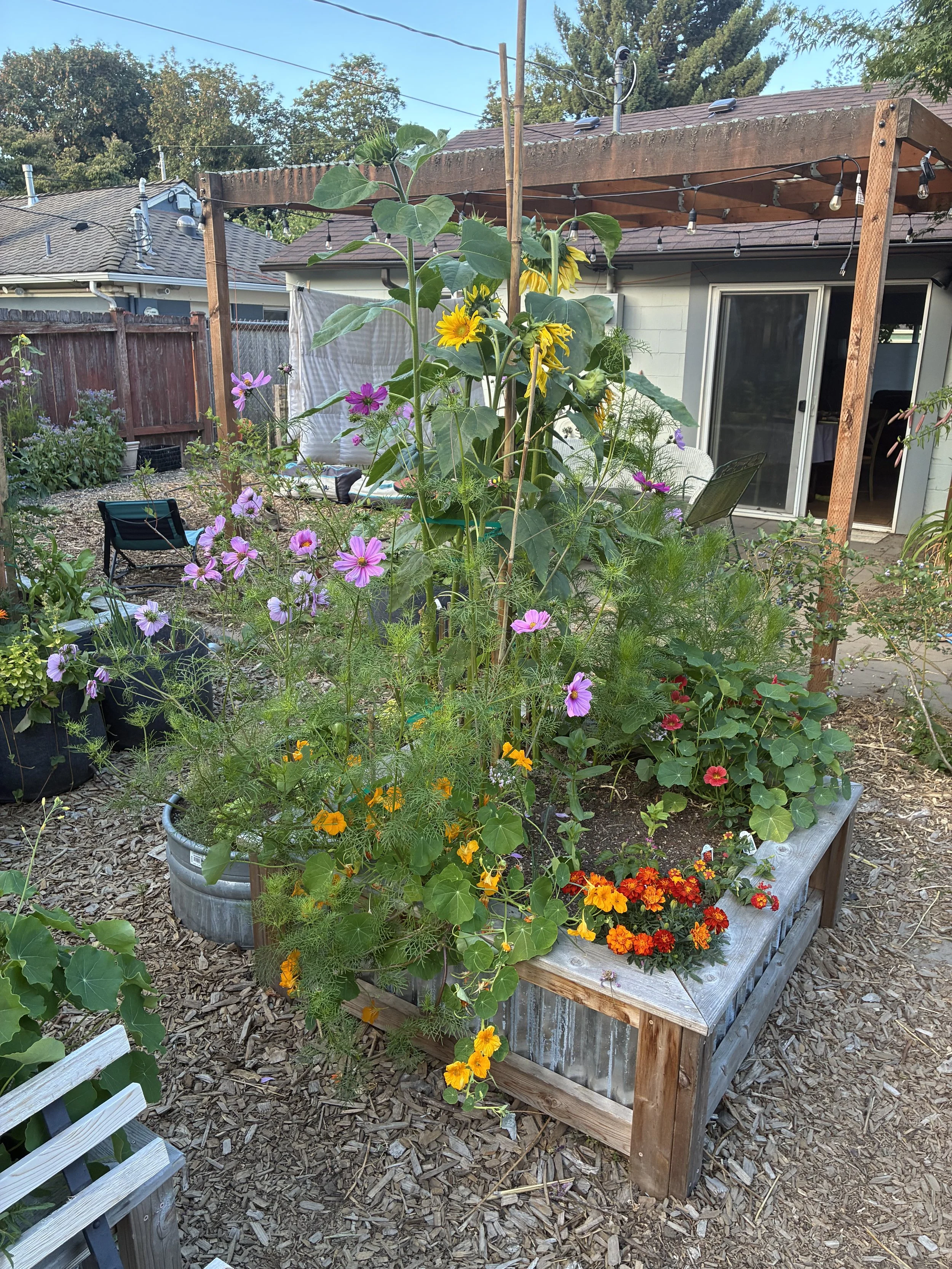
Veggie Garden Color to Distract from Failure
The Worst
My first failure of the season arrived before winter even ended. Last fall, I sowed half bed of onion seeds, of which maybe one actually germinated. This spring, I decided to try again with onion sets—the horticultural equivalent of a couple deciding to adopt when they realize that someone is shooting blanks. I was already wary of devoting prime bed space to an uncertain crop, and decided to plant the sets in felt grow bags. The result? my largest onion is about the size of an egg, and most of them are barely bigger than the sets I planted. It was somehow even more demoralizing than the first attempt, seeing as I wasted a whole lot of water trying to prevent the grow bags from drying out.
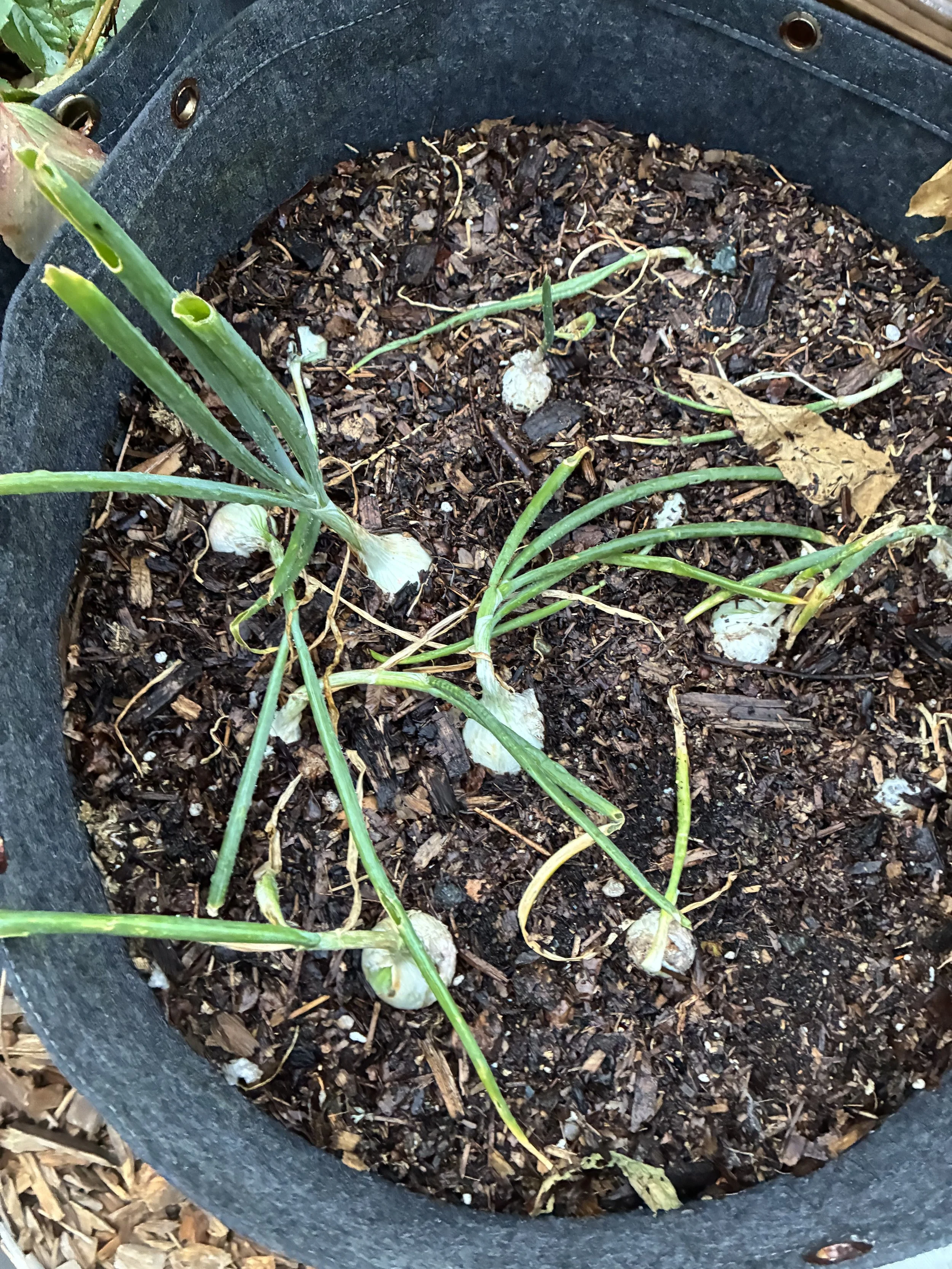
Sad, Sad Onions
My effort to grow carrots was similarly frustrated. The first patch I seeded didn’t come up at all, possibly the result of a cold snap just after sowing. I made a second sowing about couple weeks later, and by summer… I’d harvested one spindly carrot. I waited until August to try again, and this time I tried a gimmick. Summer is a great time to sow fall-harvested seeds given the soil temperature, but it’s tricky to keeps things wet enough to prevent seeds from drying out. One solution I saw online was to make a sort of corn-starch-jelly, mix in carrot seeds, and pipe it into shallow rows in the soil. It’s supposed to keep the seeds wet enough to germinate, and surprisingly, it worked! Within a couple weeks of sowing, I could see several rows of tiny sprouts emerging. Then, just as I was bookmarking carrot cake recipes and working on my best Bugs Bunny impression, the sprouts disappeared. They were either plucked out by birds or chomped down by slugs. In any case, the next time I plant carrots, I’m thinking I’ll make some kind of animal sacrifice to an ancient Sumerian harvest god. Throw enough at the wall, and something will stick.
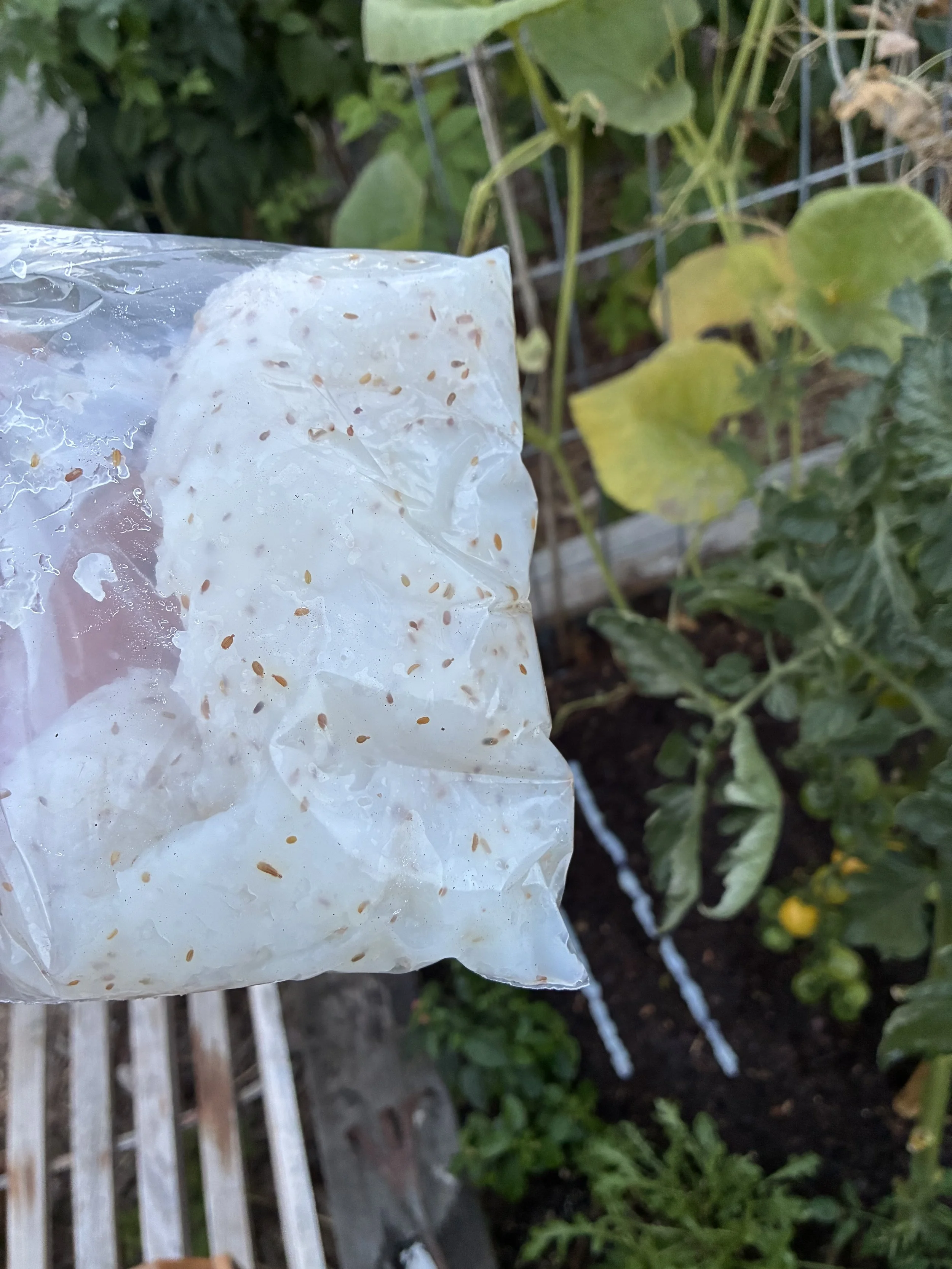
Carrot Spunk
Underwhelming
Somewhere between failure to germinate and nature’s bounty lies the “that’s it?” category. These are crops that sprouted, grew, and then, just kind fizzled. After growing an abundance of peas last year, I was looking forward to even bigger crop thanks to the new 8-foot trellis at the center of the edible garden. So naturally, of the two dozen peas I sowed, maybe four actually sprouted. They took their sweet time growing, waylaid by some very determined slugs that I could never seem to catch in the act. In the end, I had exactly one vine producing by the end of June, and it didn’t exactly look happy. I got about one pea per week before I decided to put the vine out of its misery in mid-August.
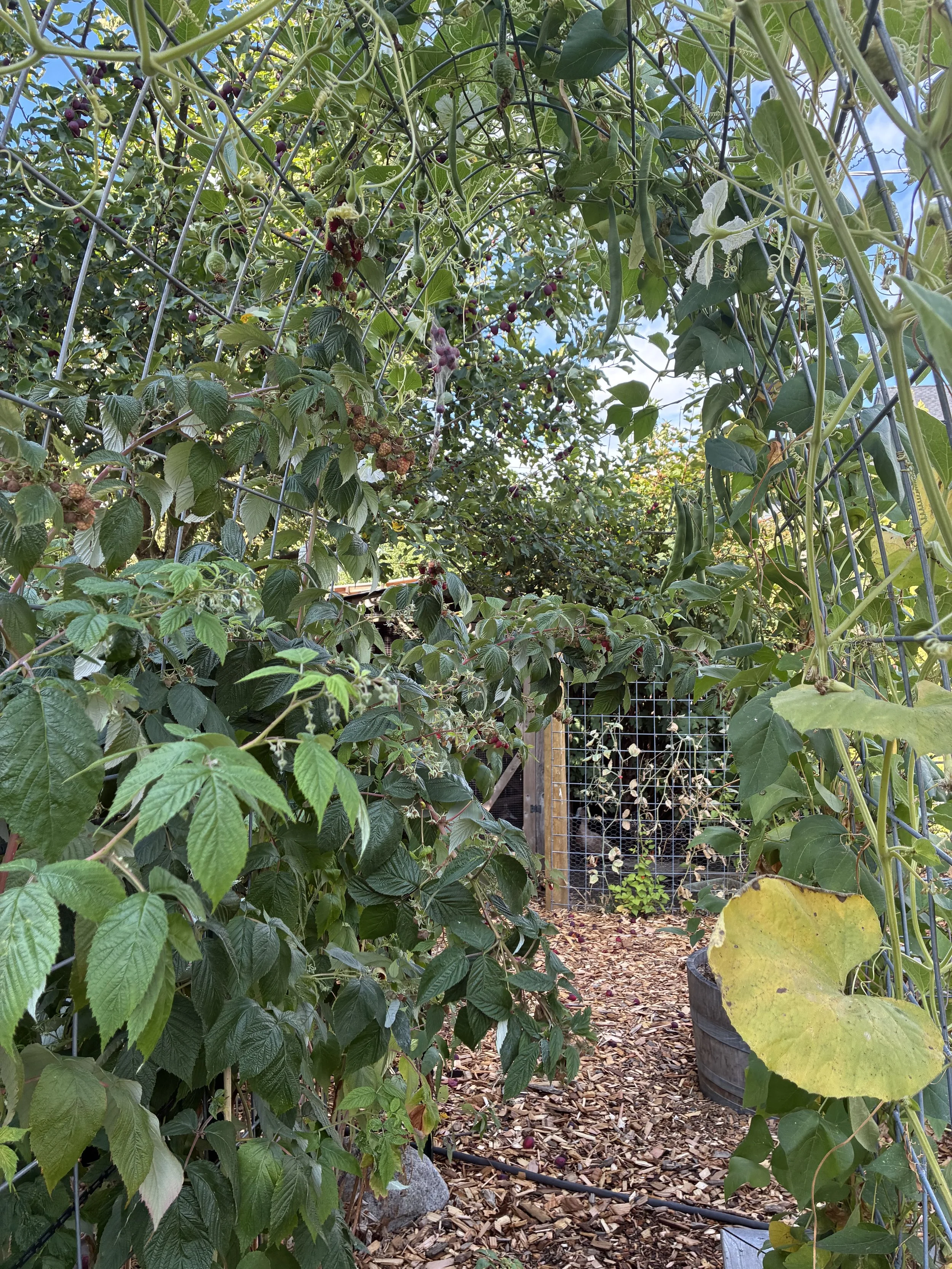
View Through Trellis, Conspicuously Lacking Peas
My cilantro had a similarly meager season. After the first sowing failed to germinate, I tried again with fresh seed in early May. After maybe one cutting, it started going to seed. I tried cutting back the thicker, more fibrous flower stalks that were crowding out the tender, culinary-grade foliage. This did little to stop the bolting, and within a couple weeks, my dreams of fresh cilantro in my guacamole were crushed like an overripe avocado. The silver lining here is that cilantro flowers attract lots of pollinators, and in particular, pollinators that I don’t see in other parts of the garden. So at least someone got to enjoy it.
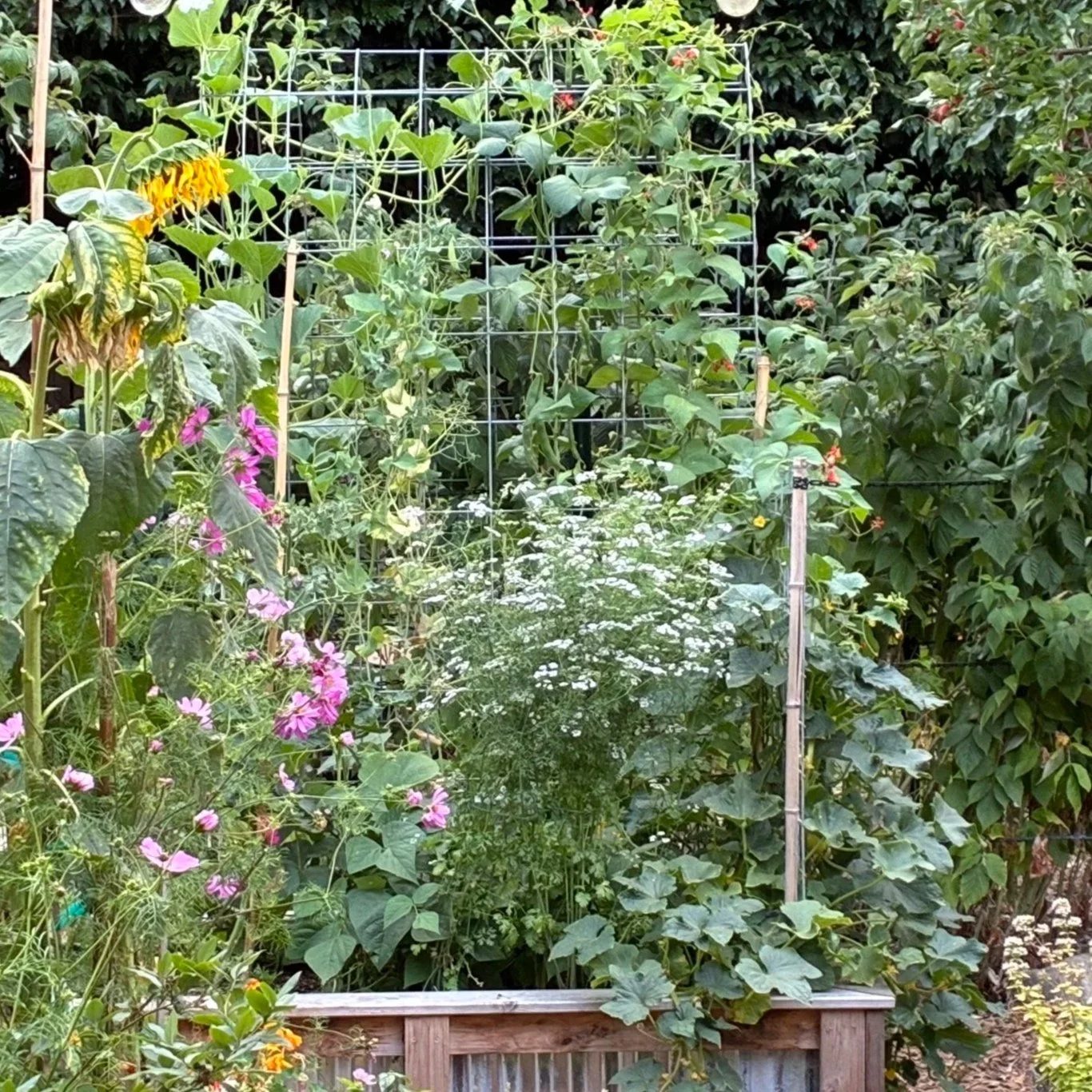
White Cilantro Flowers, Center
Okay, I Guess
First up in the “qualified success” category are potatoes, known to be such a reliable crop that just two years of bad potato yields in the 1840s almost led to the overthrow of like six monarchies. I planted three varieties of seed potato in a new in-ground bed, and kept mounding up compost around the stems as they grew. I must have added about ten inches of material, and in the end, the added rooting depth didn’t seem to fill up with potatoes as I’d imagined. Still, I got a decent harvest once I dug down to the original root zone, and the thick layer of homemade compost meant that I barely had to water. Next year I’ll try them in the sad onion grow bags
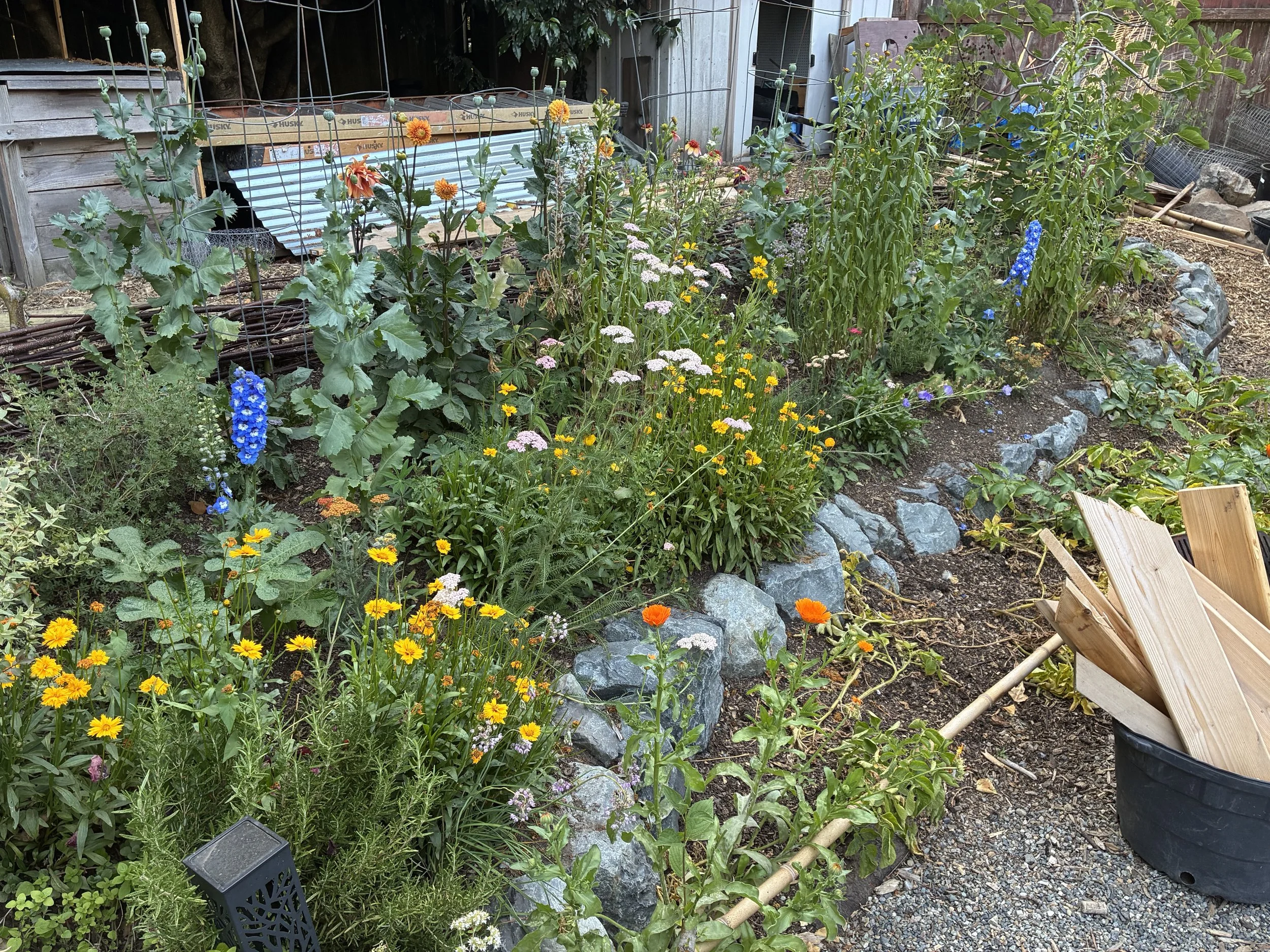
Faded Potato Plants, Bottom Right
I planted soft neck garlic last October, in the sandy bed where I usually grow flowers. I still had some zinnias blooming at the time, so I had to carefully work around them when planting the seed garlic (which somehow cost about a dollar per clove). By spring, they had pretty much all sprouted, and some of the steps were getting to a respectable size. I was under the impression that they shouldn’t be dug up until the foliage has begun to wilt, but ultimately gave up waiting and pulled them up so I could use the bed for something else. The result? a few large heads, several decent ones, and a couple adorable little guys. Still, we’ve been enjoying fresh garlic all summer, and I’ve even got a few heads leftover to replant later in fall. Which is good, because I refuse to spend another $20 on two heads of seed garlic
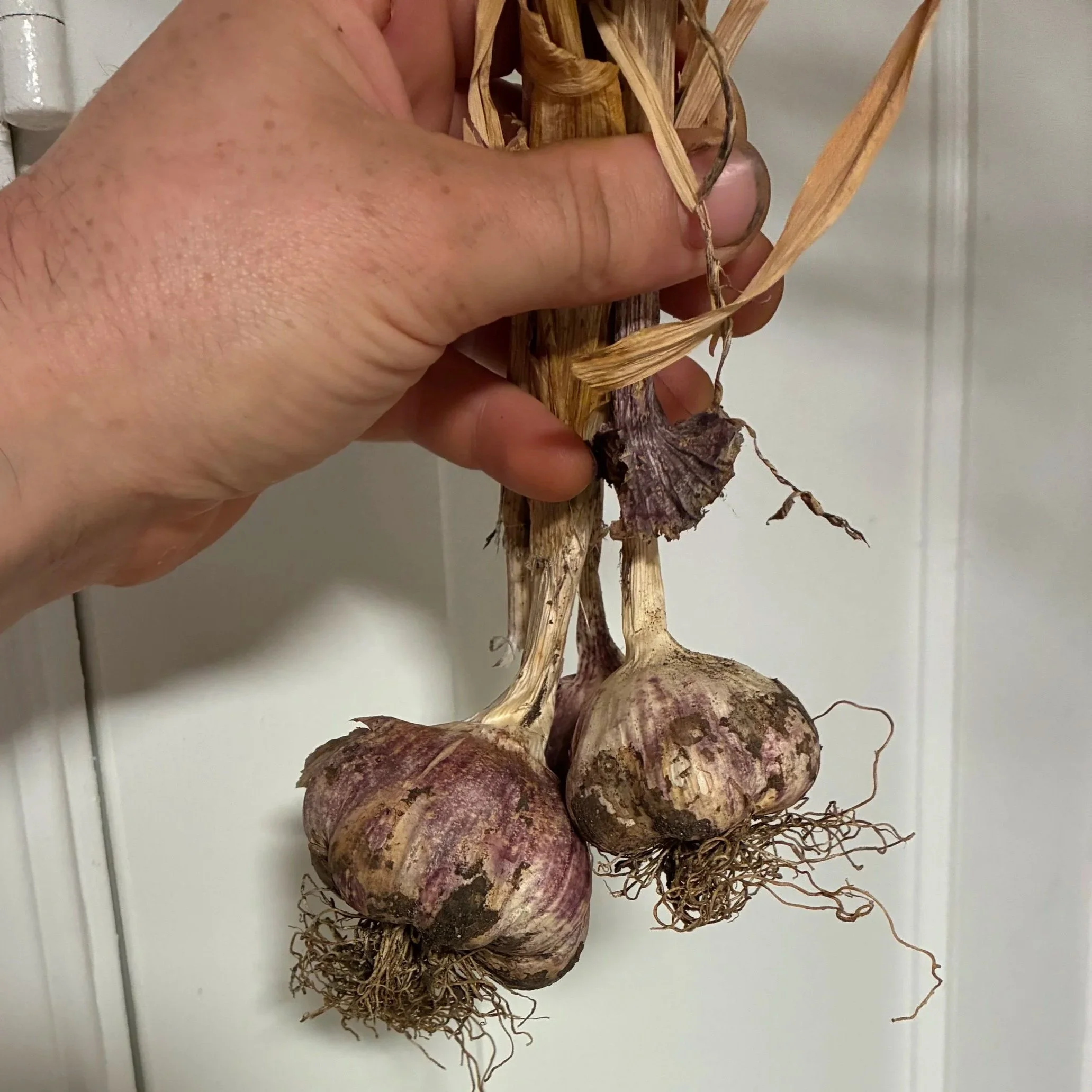
Next Year’s Seed Garlic. I’m Rich!
I was especially bullish on my cucumbers this year. I started two varieties—lemon cucumbers, and a pickling cucumber called “Spacemaster”—in 4-inch pots under a grow lamp. All the seeds germinated, including the ones from last year’s seed packet. they were bursting out of their pots by the time I transplanted them, and they quickly started racing up the trellis. One lemon cucumber became fasciated, a naturally occurring condition that causes plants to grow abnormally, often with flattened stems and clusters of stunted flowers. Even this vine, however was producing fruit, though it was a bit misshapen. I was able to harvest a couple dozen cucumbers and had dozens more on the way. Then, Chester discovered he liked cucumbers. And he realized he could pick them right off the plant! He even managed to poke his head through the trellis to find the really hard-to-reach ones. All the fruit were gone within a few days, and the vines never regained their vigor. Good thing he’s cute
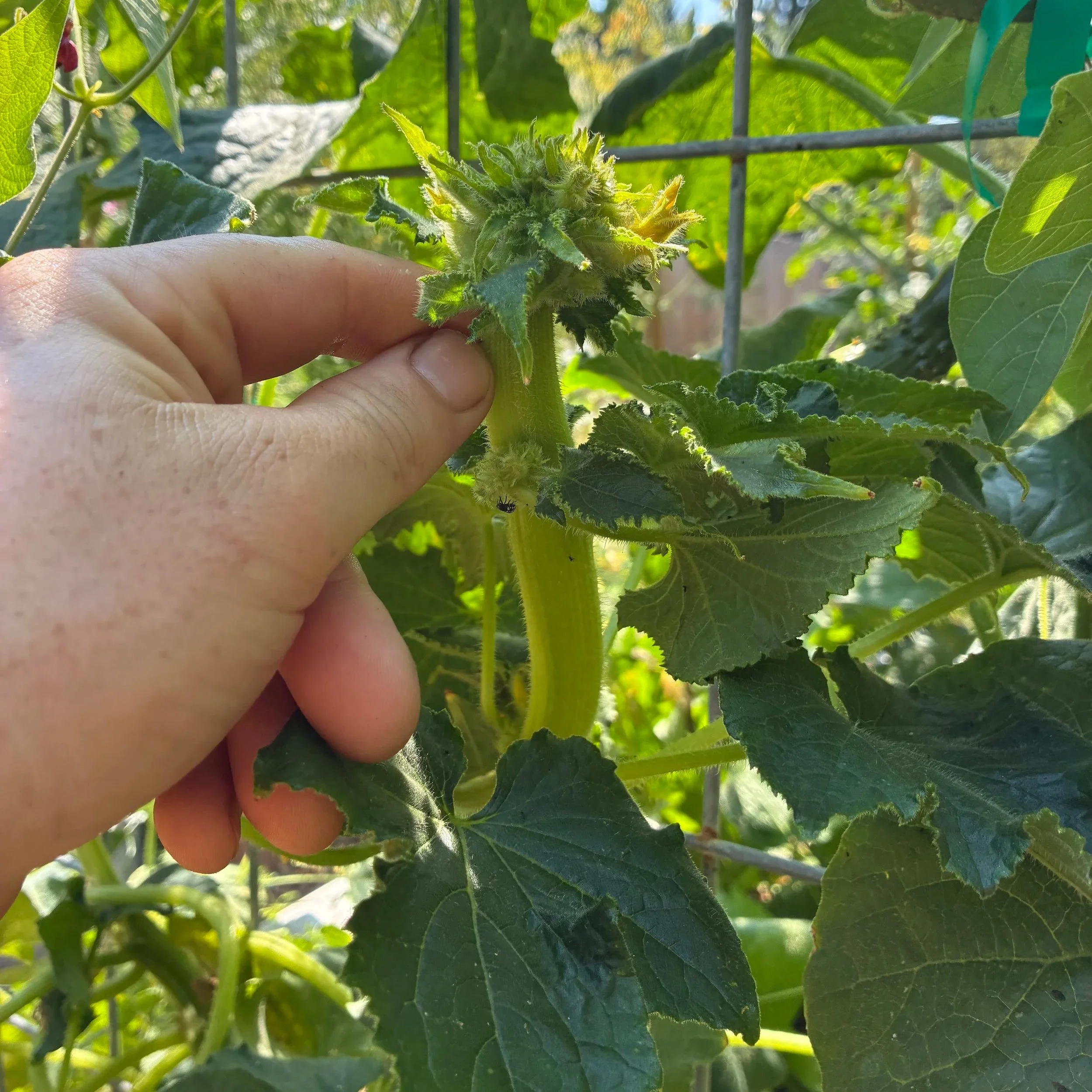
Fasciated Lemon Cucumber
Pretty, Pretty Good
A new addition to the garden this year was an eight-foot cattle panel arch trellis right in the middle of the vegetable garden. This is one of the few trendy online garden hacks I can actually get behind. Instead of spending $400 on some fancy wrought iron piece from a Wayfair ad, drive to your nearest Tractor Supply and get a 16’ galvanized cattle panel for about $30. A friendly, mullet-adorned associate will even cut it into smaller pieces that can fit in more petite vehicles such as a Mini Cooper or Honda Ridgeline. But if you have a real truck, just “horseshoe it” and strap it down.
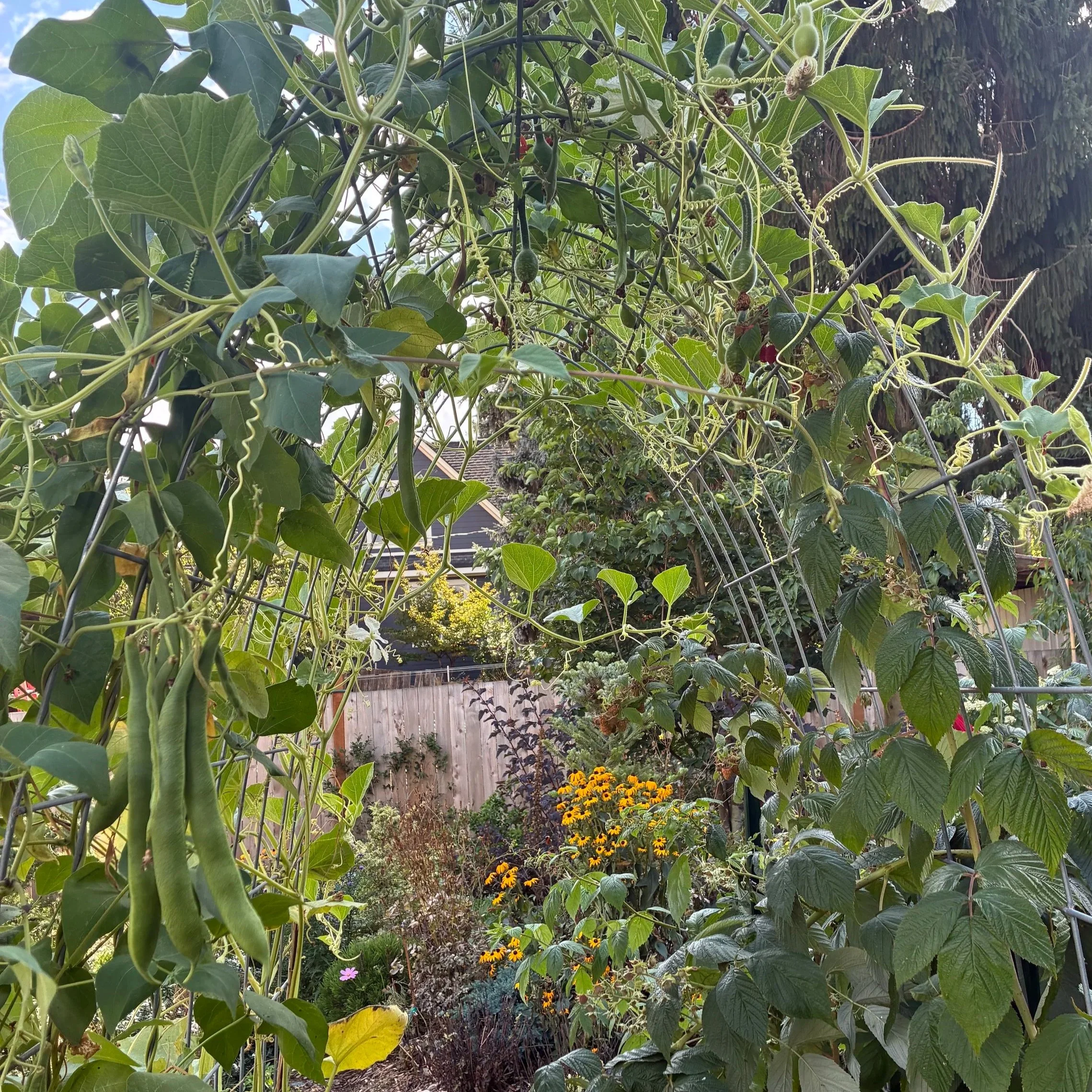
Trellis Featuring Beans
Since my peas failed to take off, the trellis was quickly colonized by scarlet runner beans, which I planted from starts in late April. These are worth it for the flowers alone—the prolific orange-red blooms had hummingbirds fighting over my backyard like it’s East Jerusalem. Then, by late June, dozens of bean pods descended from the steel structure. While the vines have slowed down, they continue to put out new flowers and pods. It takes a lot of work—drying, shelling, soaking—to actually use the beans, but enjoying the view is easy.
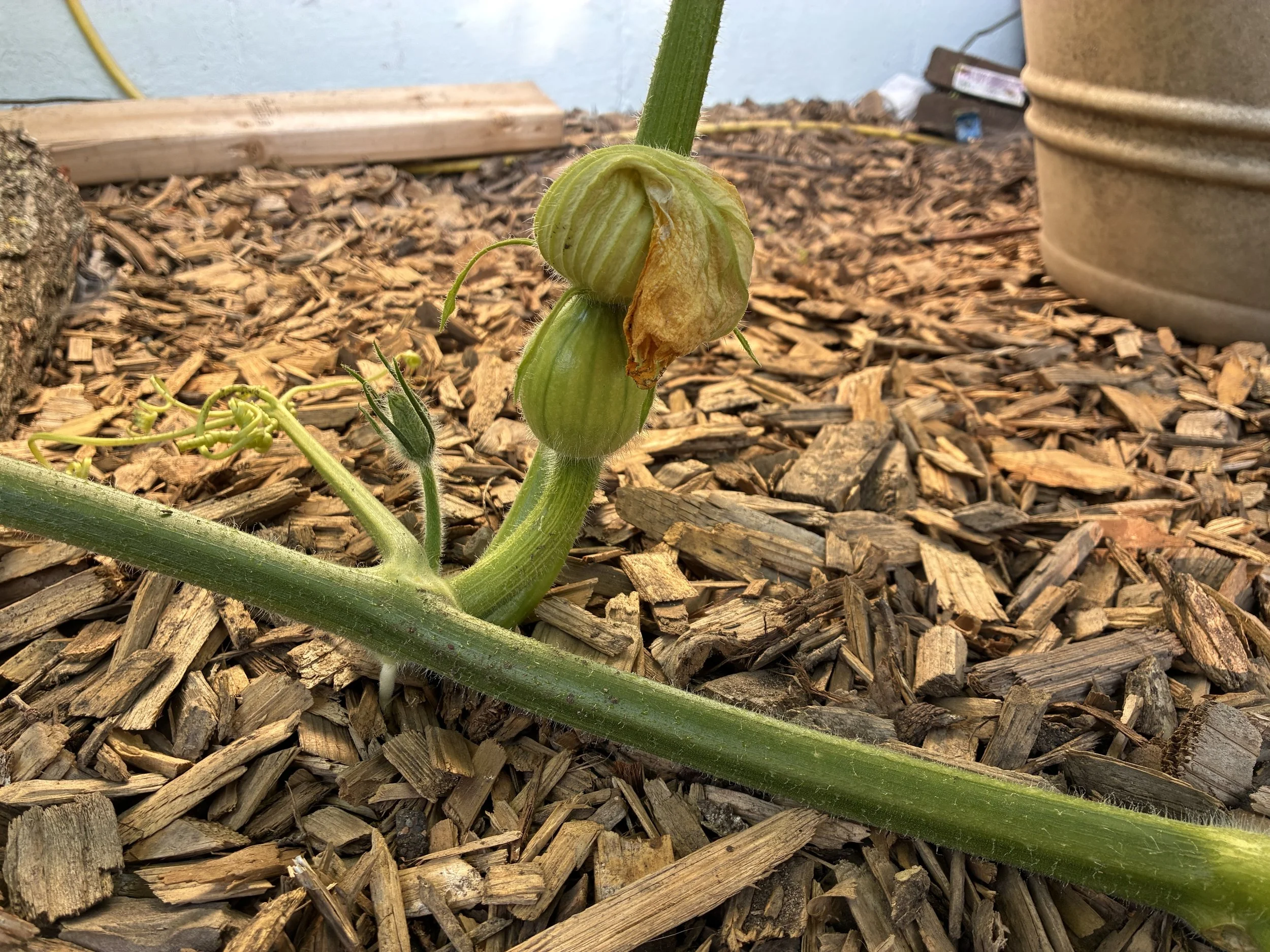
Baby Pumpkin, Mid July
The novel success of the season came in the form of an Atlantic Giant Pumpkin start that was given to me by a family member, in what was supposed to be a family pumpkin growing contest. I’ve heard that this variety can often exceed a thousand pounds, but given our mild climate, I would settle for anything in triple digits. I lost my first two fruits to rot, but as it turned out, third time’s the charm. By mid-August, my pumpkin was getting noticeably bigger by the end of my work day than it was when I’d left the house in the morning. It seemed to stop growing about a month ago, and now all I can do is hope it doesn’t split anytime in the next two weeks. At that point, I’ll be donating it to a raffle at a small charity event. All the best charitable contributions come with a sense of self-aggrandizement, just ask any rich prick with a museum named after him. I won the contest, by the way.
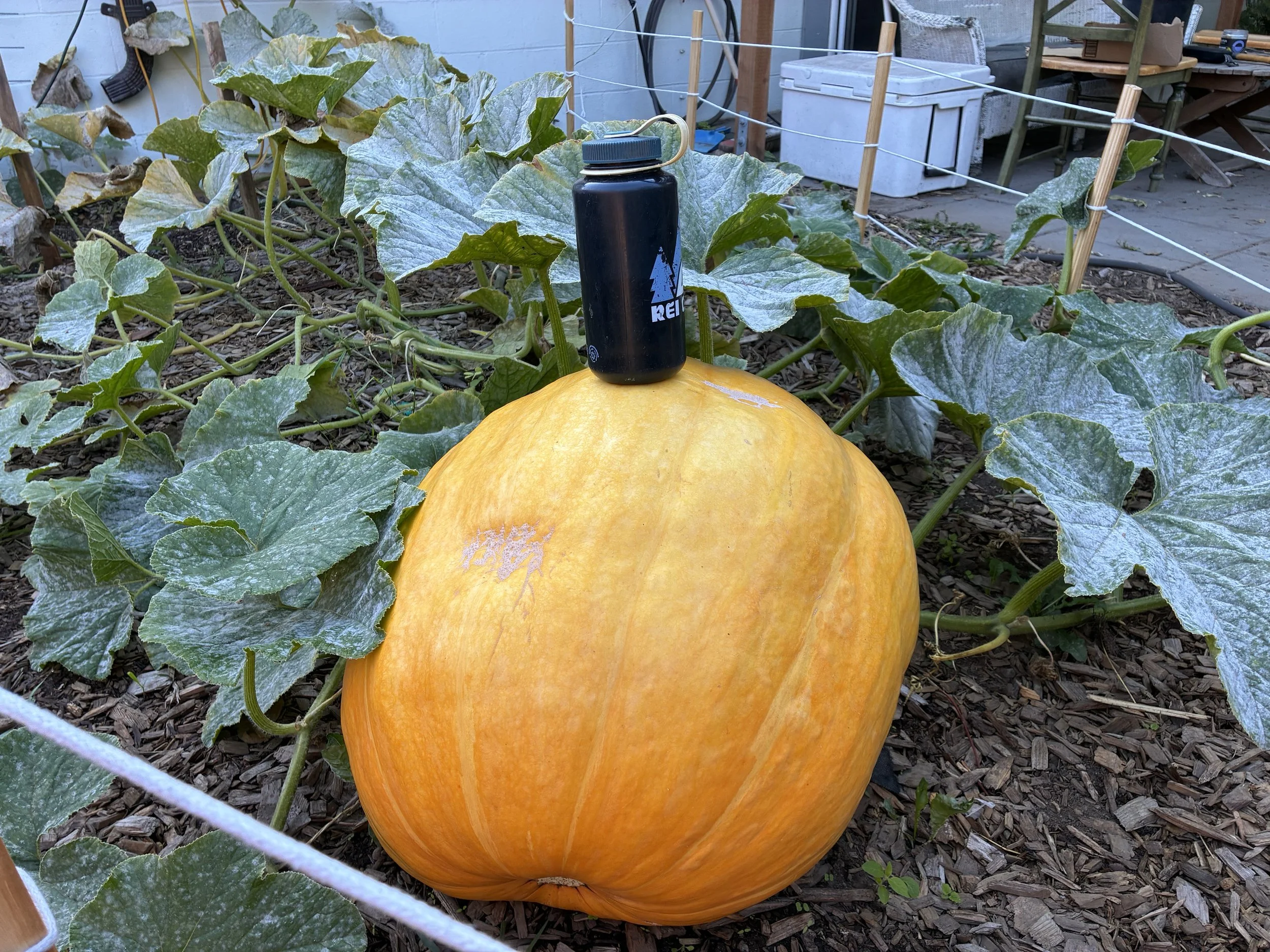
Fully Grown Pumpkin, Early September
Actually Worth the Effort
The best return on investment I’ve yet had in my garden has been my raspberry patch. I have a mix of June-bearing and Ever-bearing varieties, none of whose names I know, and all of which I got for free. For the uninitiated, June-bearing raspberries are produced on second-year canes which must be staked so as to not become unwieldy (some of mine are 8-plus feet tall!). Ever-bearing varieties will produce on new canes in late summer, and have a smaller, second crop on the same growth the following spring. This year, the fall crop reigned supreme. Starting around Labor day, I was inundated with plump, sweet raspberries that spilled out of all sides of the raspberry patch and almost reached the top of the trellis. They’ve continued to produce into October, and are so prolific that even Chester can’t seem to get them all, despite his best efforts.
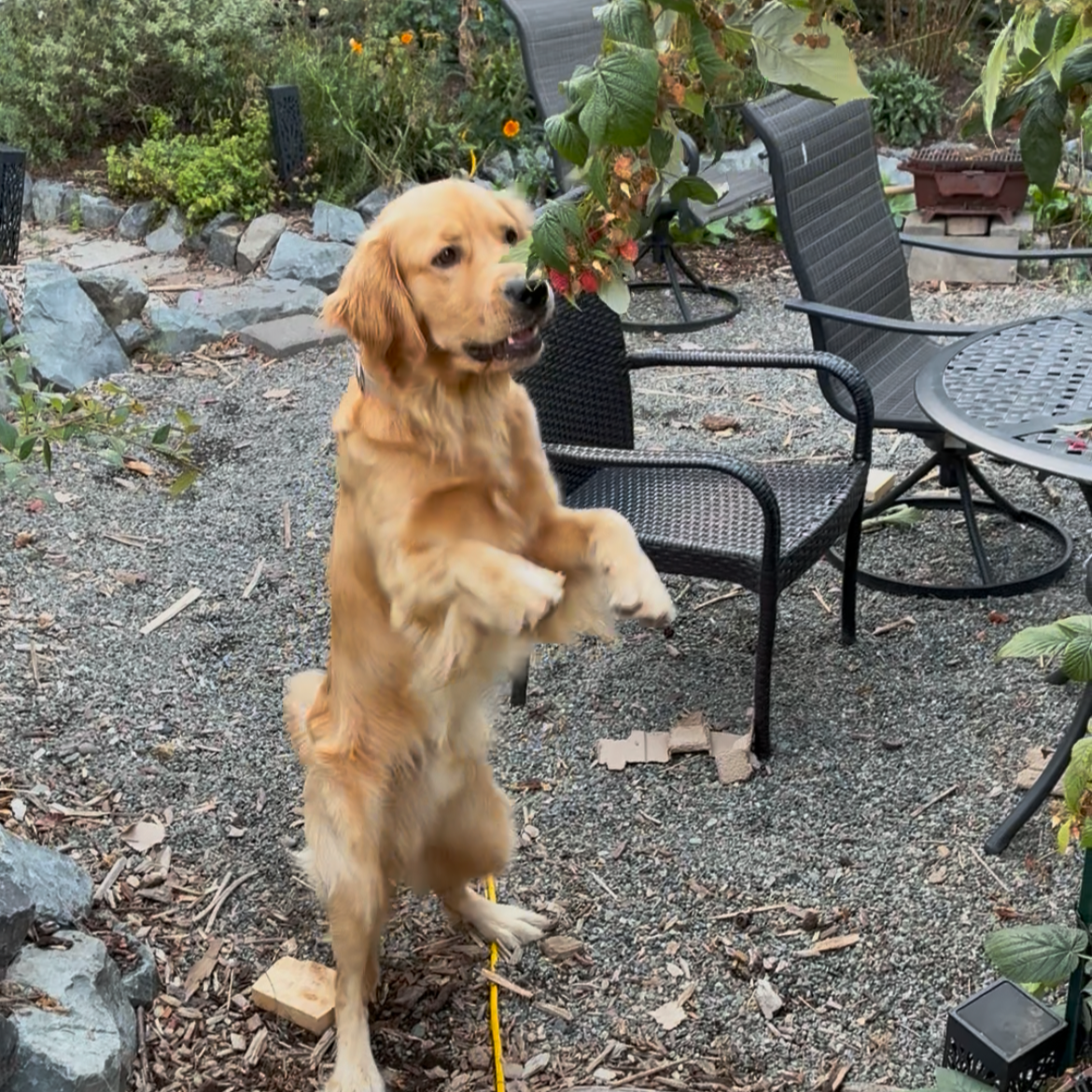
Chester, Apex Predator of the Garden
Ok, let’s end where we started. Growing tomatoes in Seattle is one of those garden activities that takes a lot of effort, and even more hope. Tomatoes planted too early might suffer from cold overnight temperatures. Tomatoes planted too late might start producing too late to actually ripen their fruit. One of the most common heartbreaks I’ve encountered is Blossom End Rot—usually the product of inconsistent watering—which cost me about half my crop a few years ago. The year after that, following a season of fastidious watering, an August rainstorm led all my tomato plants to develop late blight before they’d produced a single fruit. One year I experimented fertilizing my tomatoes with penguin guano (I know a guy, don’t worry about it), only to find that the excess phosphorus produced thick, sturdy stems, little actual produce.
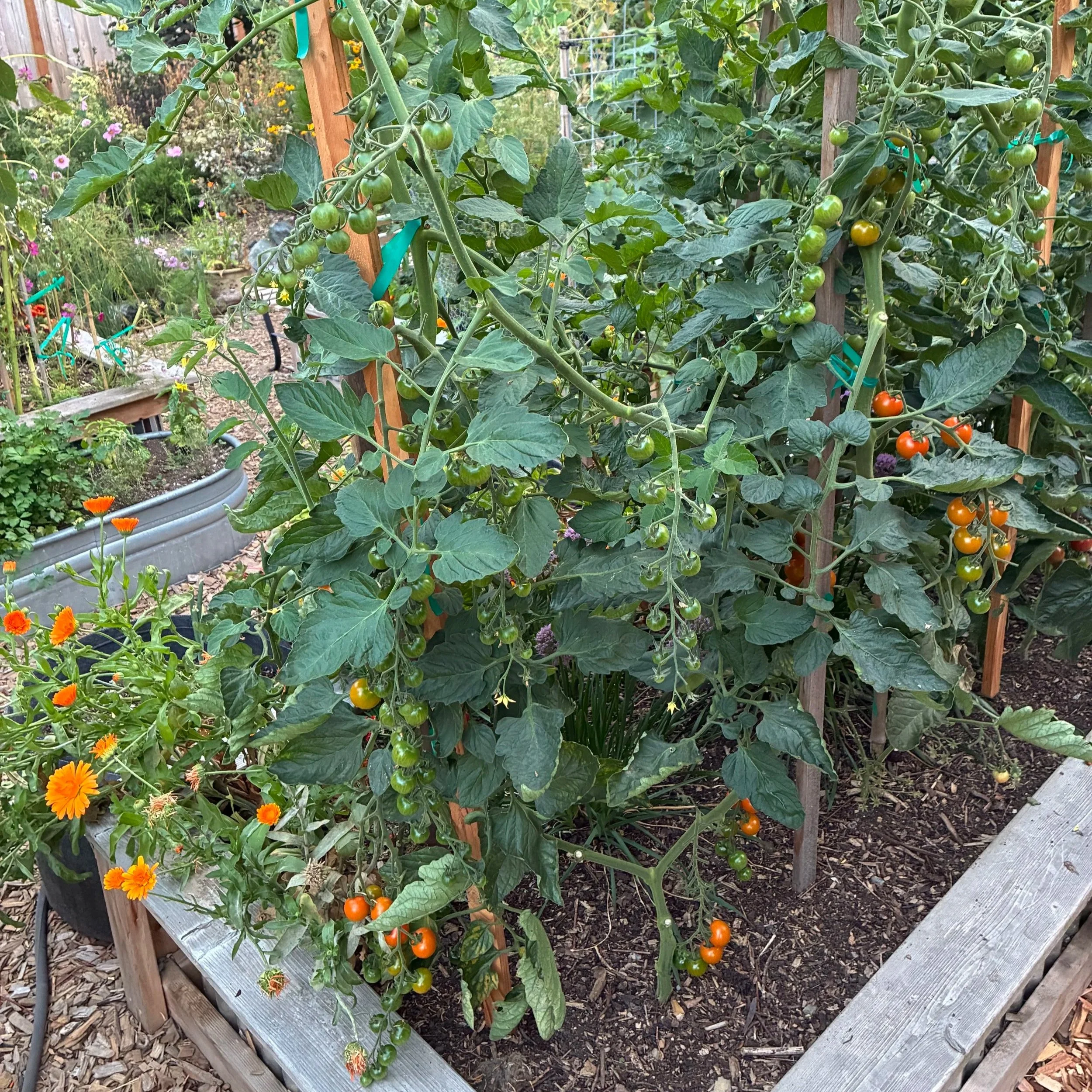
Sungold and Stupice Tomatoes
Most of the advice you’ll find about growing tomatoes in this region is solid, but to follow all of it would require more time and energy than any reasonable person should dedicate to a single crop. I pick and choose what I do based on my time and inclination at any given point throughout the season. This year, I hardened them off for two weeks ahead of planting, but I didn’t do anything to heat up the soil ahead of time. I didn’t rotate my tomato crop to a different part of the garden, but I did refresh the bed with fresh chicken manure last fall and finished compost this spring. I added a modest amount organic vegetable fertilizer throughout the growing season, but I never did a soil test or attempted to boost calcium and magnesium levels as I’ve don’t in the past. The result? This year was, without a doubt, the best tomato year I’ve ever had. I picked bowls and bowls of Sungold and Chocolate Cherry tomatoes. I made fresh red sauce with Stupices that I grew from seed. I grew an heirloom slicing tomato known as “Kellogg’s Breakfast,” whose largest fruit was very nearly two pounds. That one alone lasted like three meals. And the taste truly was priceless.
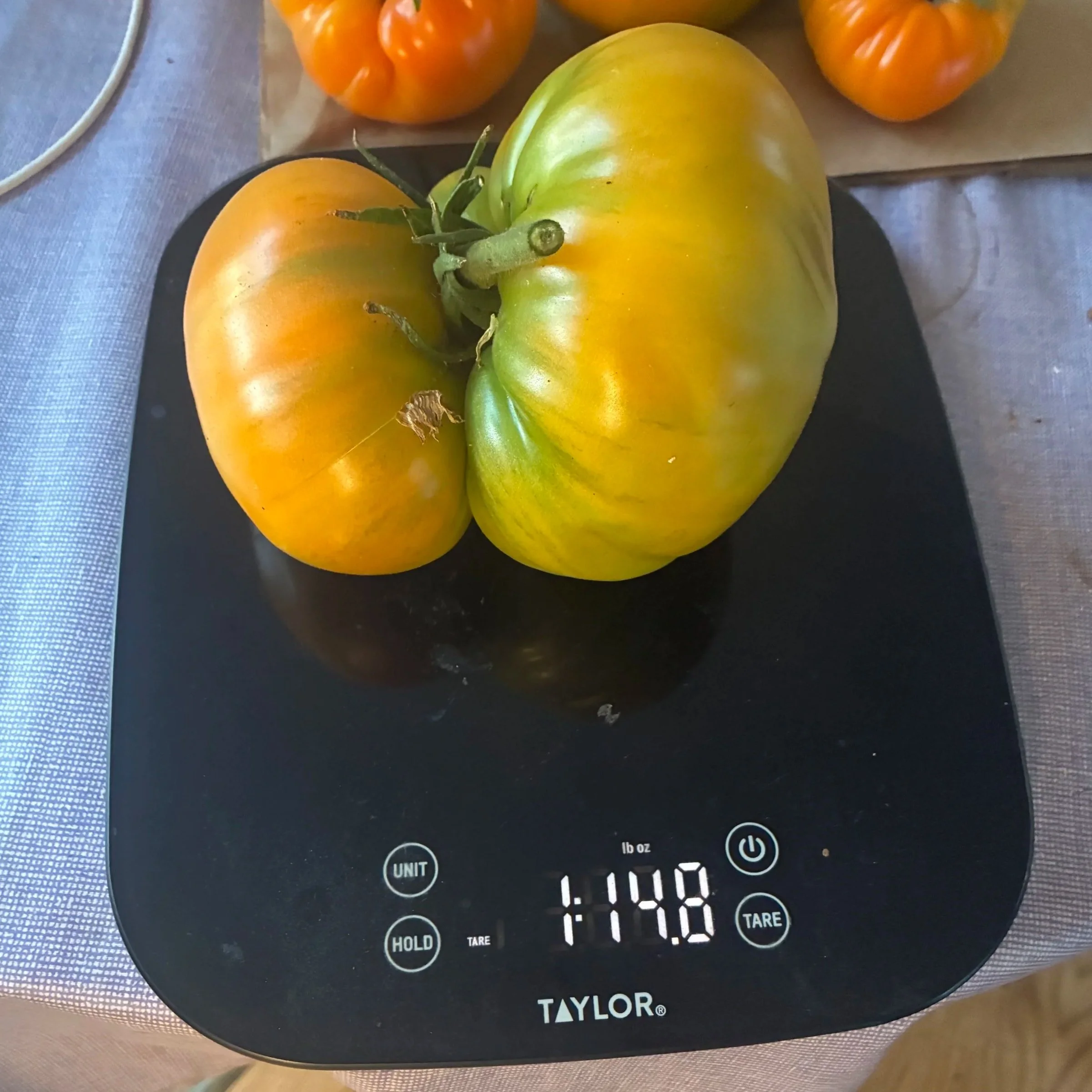
My Star Tomato, Soooo Close to Two Pounds